
7 Signs Your Loved One May Need Professional In-Home Care in Sarasota County
Caring for an aging loved one can be both rewarding and challenging. As our family members grow older, it’s natural to notice subtle changes in their health, mobility, and daily routines. Recognizing when it’s time to seek professional in-home care is crucial for ensuring their safety, independence, and overall well-being. In Sarasota County, families increasingly rely on in-home care services to provide personalized support while allowing seniors to remain in the comfort of their own homes.
Here are 7 signs your loved one may need professional in-home care.
1. Difficulty Managing Daily Tasks
One of the earliest signs that professional care may be necessary is when your loved one struggles with activities of daily living (ADLs) such as bathing, dressing, cooking, or cleaning. If you notice that simple tasks take longer than usual or are being skipped entirely, this could indicate declining physical or cognitive abilities.
Professional in-home caregivers can provide hands-on assistance with these tasks, ensuring safety and promoting independence. According to Hand In Hand Care, our team of registered nurses and trained caregivers specialize in customized in-home support tailored to each individual’s needs.
2. Frequent Forgetfulness or Confusion
Occasional forgetfulness is normal as we age, but persistent memory lapses, confusion about time or place, or difficulty following simple instructions may indicate a need for professional care. Cognitive changes can increase the risk of accidents, medication errors, or missed medical appointments.
In-home caregivers can provide reminders, monitor health conditions, and create structured routines to help your loved one stay safe and oriented. For more information on cognitive changes in seniors, the Alzheimer’s Association offers an excellent guide to recognizing early warning signs.
3. Physical Limitations or Mobility Issues
If your loved one struggles with walking, climbing stairs, or maintaining balance, the risk of falls and injuries increases. Even minor mobility challenges can impact their ability to perform essential tasks or participate in social activities.
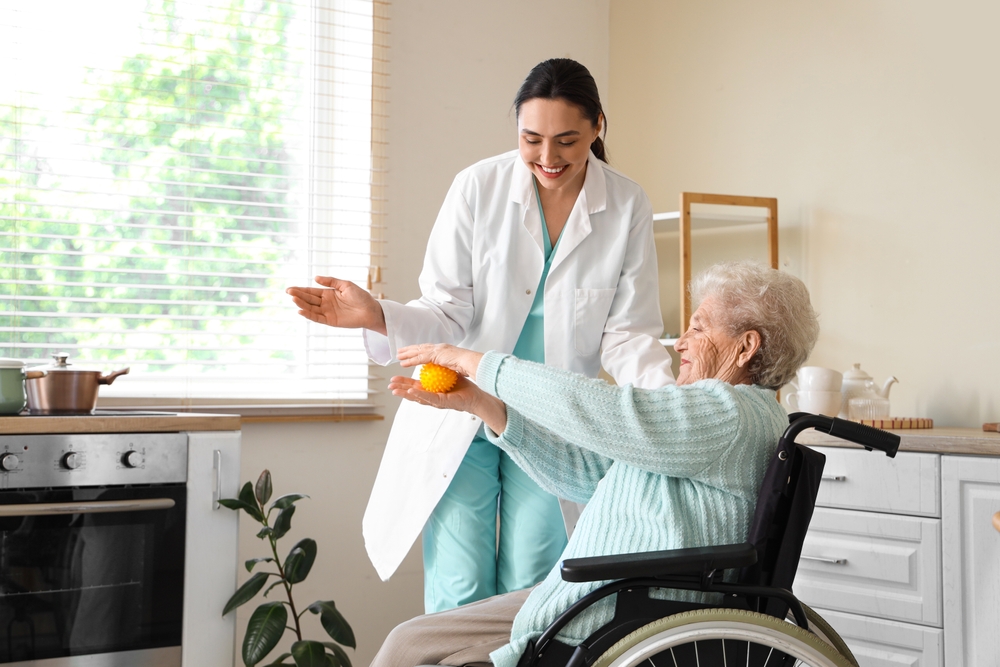
Professional in-home care provides mobility support, fall prevention strategies, and assistance with exercises designed to maintain strength and independence. This type of support helps seniors live safely and confidently in their own homes.
4. Medication Mismanagement
Managing medications can be complicated, particularly for seniors with multiple prescriptions. Missing doses, taking the wrong medication, or mixing medications incorrectly can have serious health consequences.
In-home caregivers can oversee medication schedules, ensure proper administration, and communicate with healthcare providers about any side effects or concerns. This service is especially vital for seniors recovering from surgery, illness, or managing chronic conditions like diabetes or heart disease.
5. Social Isolation or Emotional Decline
Loneliness and depression are common among older adults who live alone. If your loved one has become withdrawn, expresses sadness, or shows less interest in hobbies and social activities, professional care may be needed to provide companionship and emotional support.
Caregivers offer not only practical assistance but also meaningful social interaction, helping seniors maintain a sense of purpose and emotional well-being. Social engagement has been shown to improve mental health, cognitive function, and overall quality of life.
6. Poor Nutrition or Weight Loss
A noticeable decline in eating habits, unexplained weight loss, or dehydration can signal that your loved one is struggling to prepare meals or maintain a balanced diet. Malnutrition and dehydration can quickly lead to serious health complications.
Professional in-home care includes meal planning, preparation, and assistance with eating if necessary. Caregivers ensure that seniors receive the nutrition they need to stay healthy and energetic.
7. Frequent Health Emergencies or Hospital Visits
If your loved one experiences frequent falls, infections, or hospitalizations, it may be time to consider professional care. In-home caregivers can monitor vital signs, provide post-hospital support, and coordinate with doctors to prevent avoidable emergencies.
By providing consistent care and supervision, in-home caregivers reduce the likelihood of readmissions and promote a smoother recovery process after health setbacks.
Why Professional In-Home Care Matters in Sarasota County
Recognizing these signs early allows families to intervene before issues escalate. Professional in-home care provides peace of mind, ensuring your loved one receives compassionate, personalized support while remaining in a familiar environment. At Hand In Hand Care, our registered nurses and skilled caregivers focus on geriatric care, post-hospital support, medication management, and emotional well-being, all tailored to each senior’s unique needs.
Whether your loved one needs a few hours of assistance each day or 24/7 care, Sarasota County families can trust that in-home care services prioritize safety, comfort, and independence.
For more information on our in-home care services in Sarasota County, contact Hand In Hand Care today and take the first step toward supporting your loved one with the care they deserve.